Mobile Energy Storage for EV Charging and Emergency Backup
What is a dual-use mobile energy storage system?
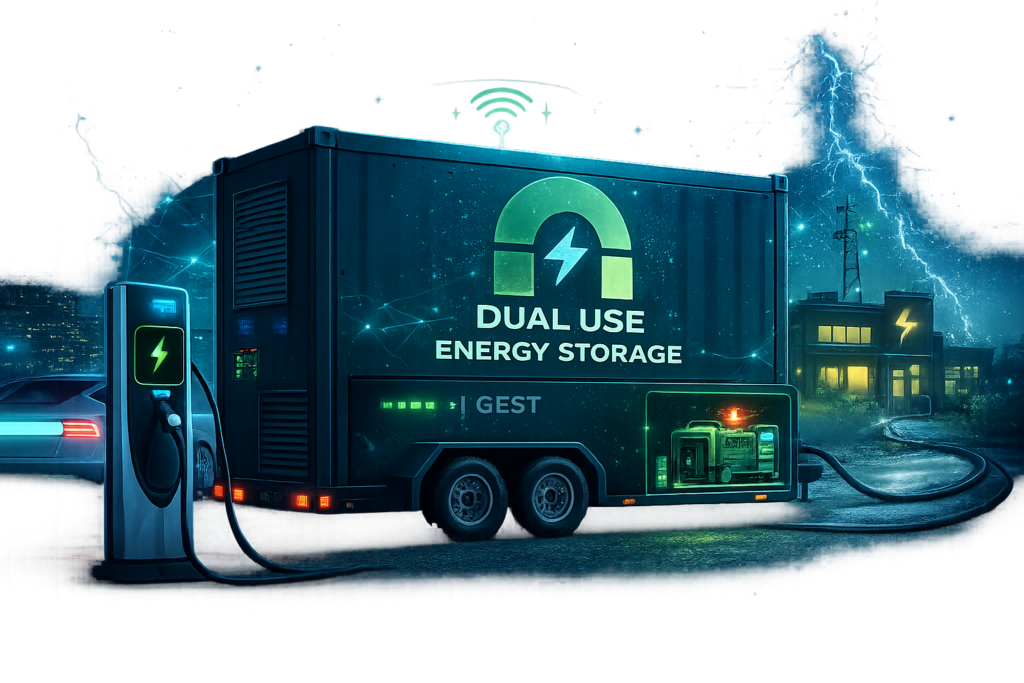
A dual-use mobile energy storage system combines everyday business value with energy security. In normal operation, it can serve as mobile EV charging infrastructure, an energy buffer, or additional power support for facilities with limited grid connection capacity. In emergency situations, it can become a backup power source for selected critical loads.
Its greatest strength is dual functionality. The device does not have to sit idle, waiting for a crisis. It can work every day — supporting electromobility, improving energy use, increasing available power, and at the same time strengthening local energy resilience.
For local governments, municipal utilities, hotels, fuel stations, and businesses, this means infrastructure that makes sense both in daily operation and in strategic security planning.
Key technical parameters
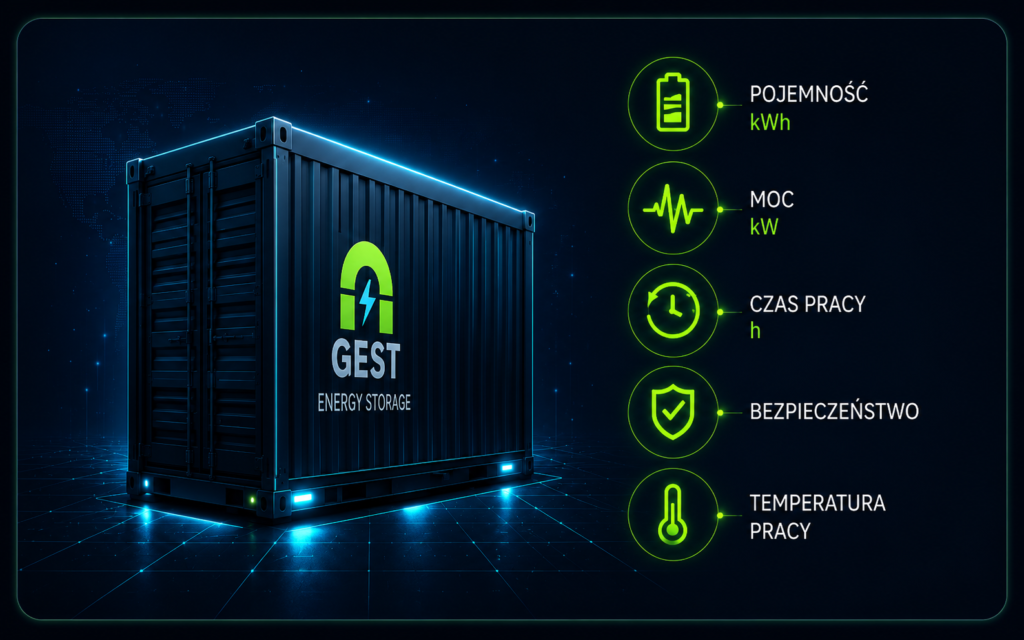
Choosing a mobile energy storage system should start with real user needs — not with catalogue specifications. What matters most is storage capacity, output power, backup time, EV charging capability, connection method, and the ability to work across different operating scenarios.
Safety and reliability are just as important. This includes the quality of the BMS, fire protection systems, environmental durability, remote monitoring, service availability, and warranty conditions. For mobile systems, transport, approvals, technical documentation, and operating procedures must also be carefully checked.
In practice, a good energy storage system is much more than a battery of a certain size. It is a complete technical solution that must fit the facility, the user, the operating model, and emergency scenarios.
Everyday mode: how does it work?
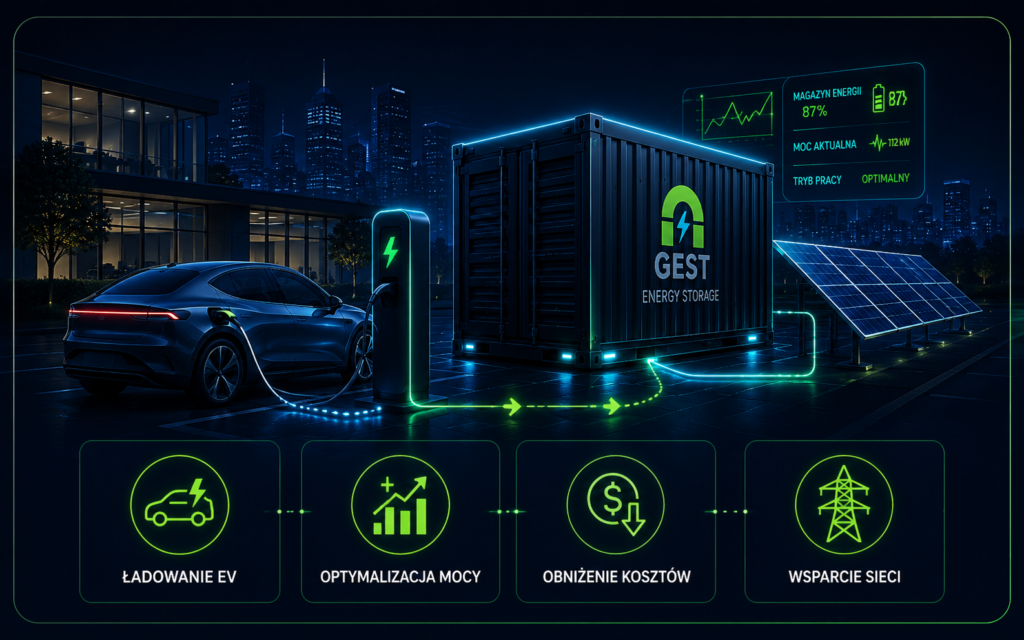
In everyday mode, a mobile energy storage system can actively support the normal operation of a facility. It can power EV chargers, buffer energy, reduce the load on the grid connection, or support sites where available grid capacity is too low for new energy needs.
For local governments, this may support the charging of official vehicles, municipal fleets, or residents’ cars. For hotels, it can become an additional service for guests. For fuel stations and companies, it can enable EV charging infrastructure without an immediate and expensive grid upgrade.
This makes the energy storage system more than a security expense. It becomes an asset that works every day — making the investment easier to justify financially and operationally.
Crisis mode: how does it work?
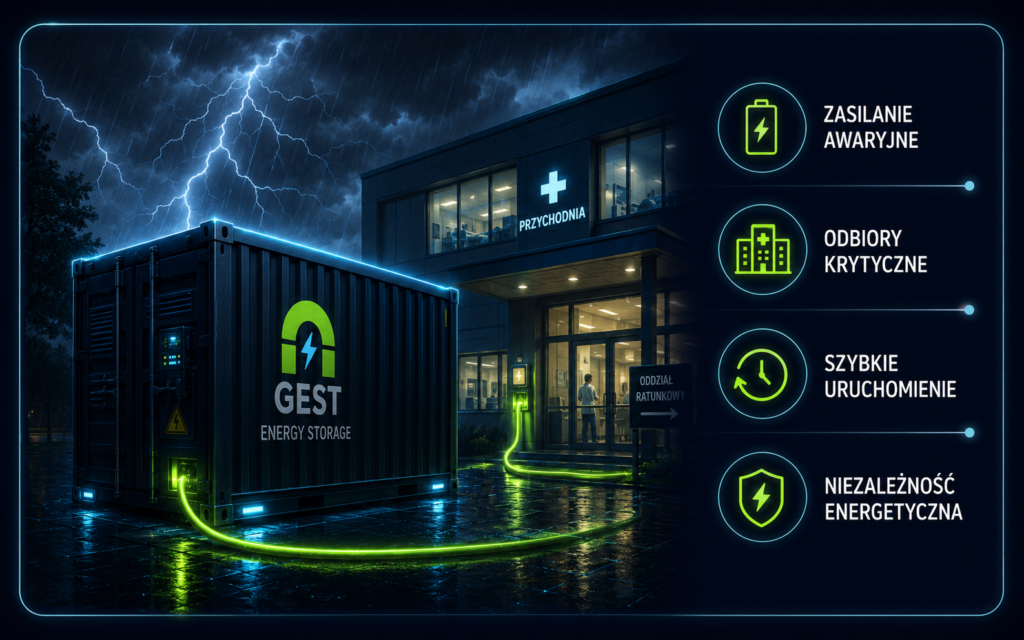
In crisis mode, a mobile energy storage system can provide emergency power for selected facility functions. The goal is not to power everything. The goal is to keep the most important systems running: IT, communications, lighting, automation, pumps, medical equipment, aid points, or basic administrative functions.
For local governments and municipal utilities, the system can support a municipal office, fire station, reception point, water treatment station, pumping station, or another facility essential to the local community. For businesses, it can protect selected processes, customer service, or technical infrastructure.
What matters most is preparation. Before a crisis happens, it must be clear what will be powered, for how long, how the device will be connected, and who will be responsible for starting and operating it.
How GEST Advisory helps you choose the right solution
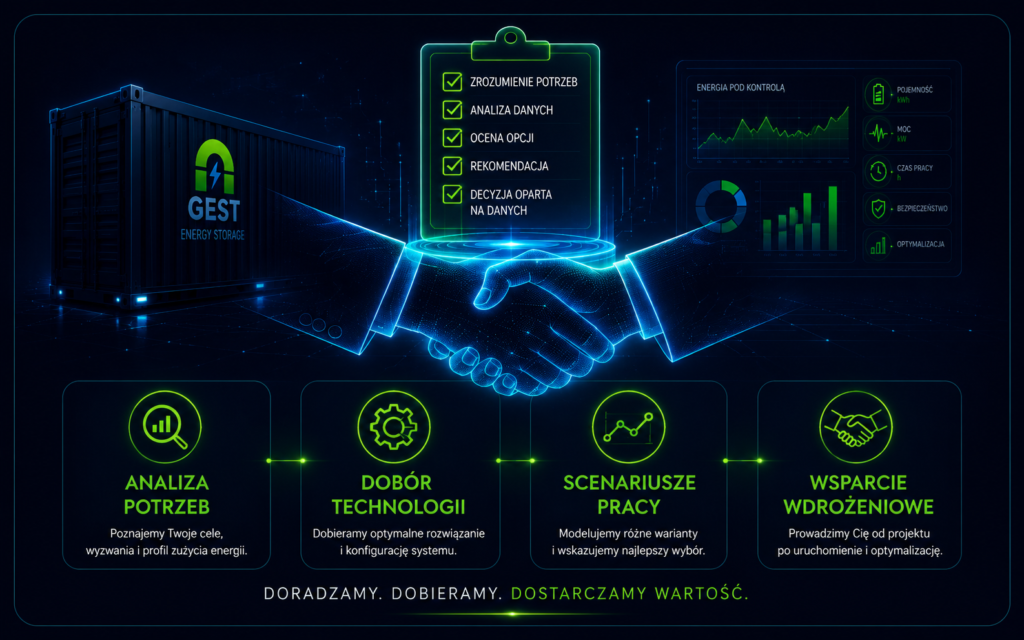
GEST Advisory helps clients turn a general need into a specific, justified technical and business solution. We help define what the mobile energy storage system should do, which facilities it should protect, what power and capacity it requires, and how it can create value in everyday operation.
Our work includes analyzing energy needs, identifying critical loads, preparing operating scenarios, comparing available technologies, and supporting discussions with suppliers. We also help prepare technical requirements, supplier selection criteria, and procurement materials.
We do not see an energy storage system as a catalogue product. We treat it as part of a wider system — combining energy infrastructure, operational security, electromobility, and crisis resilience.
Mobile storage vs. diesel generator
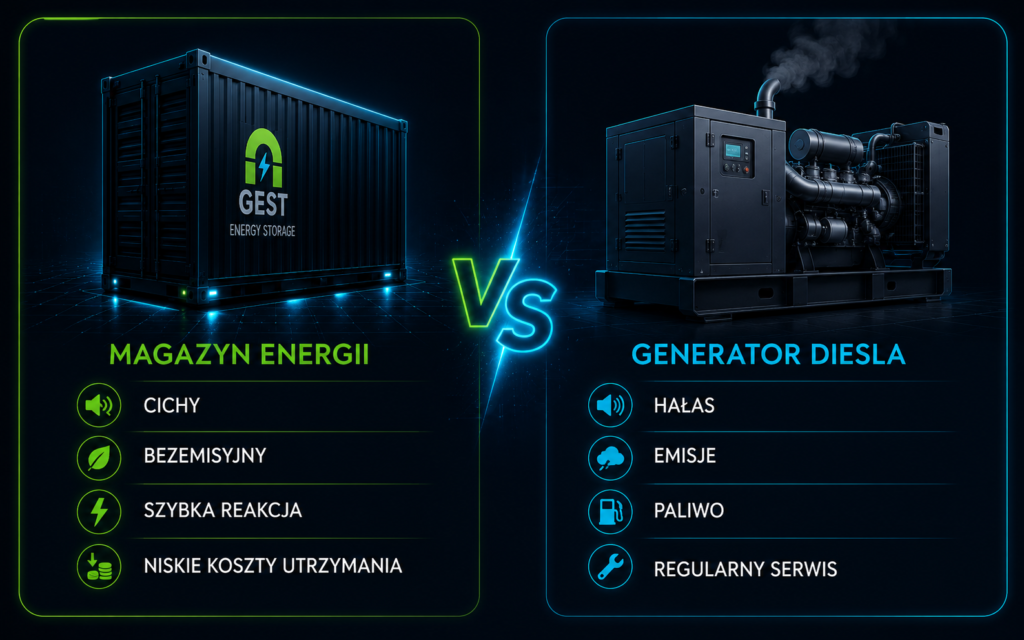
Diesel generators are widely used for emergency power, but they are not always the best solution for every need. They are available, familiar, and capable of long operating times when fuel is supplied. At the same time, they create noise and emissions, require fuel logistics, regular maintenance, and clear operating procedures.
A mobile energy storage system offers a different type of value. It is quiet, emission-free at the point of use, ready for everyday operation, and able to respond quickly to power demand. It can also work together with solar PV, EV chargers, or a diesel generator as part of a hybrid system.
In many cases, the best answer is not simply to replace a diesel generator with a battery. The strongest solution may be a smart combination of both: energy storage as a fast, clean, and precise power source, and a generator as backup for longer operating periods.
What to watch for when choosing a supplier
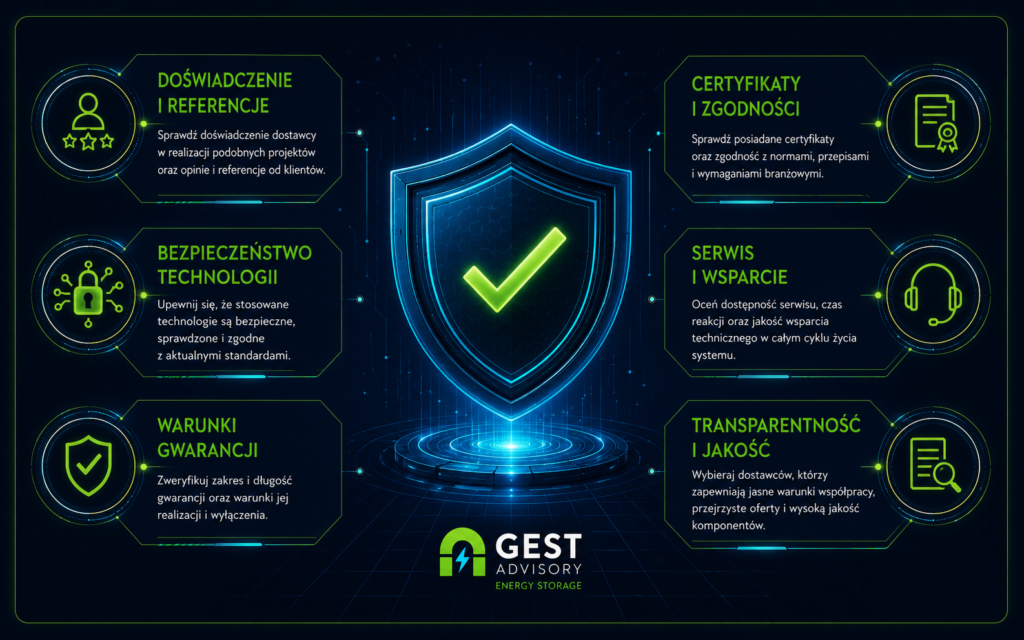
Choosing a supplier should go far beyond comparing price, capacity, and power. The key question is whether the supplier can actually deliver a safe, documented, serviceable, and operationally reliable solution.
This means checking implementation experience, technical documentation, declarations of conformity, warranty terms, and after-sales support. Particular attention should be paid to battery safety, the BMS, fire protection systems, operation in different environmental conditions, compatibility with the client’s infrastructure, and spare parts availability. Software, monitoring, and helpdesk language should also be verified.
The risk is buying a product that looks attractive on paper but lacks technical support, local service, complete documentation, or clearly defined operating modes. That is why supplier selection should be supported by technical analysis and proper due diligence.
Transport, safety, and compliance
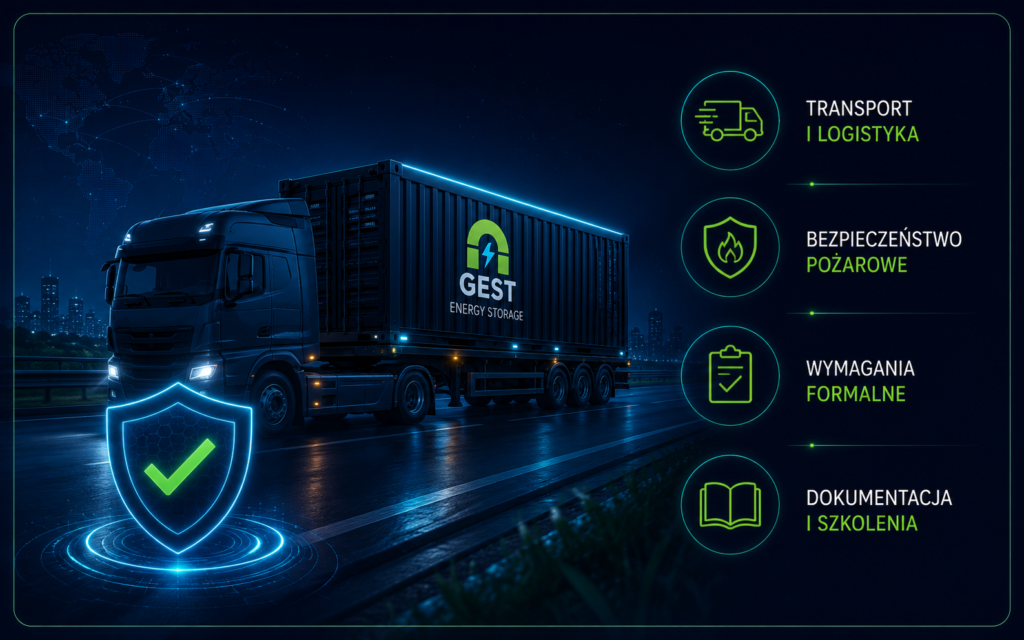
A mobile energy storage system is a technical asset that must be handled with the right approach to transport, operation, and safety. Depending on its design, capacity, and transport method, requirements may apply to lithium battery transport, transport documentation, labelling, safety procedures, and training of operating personnel.
Formal requirements at the place of use are equally important. The connection method, fire safety rules, environmental conditions, operating procedures, user responsibilities, and emergency procedures all need to be checked. For public entities, additional requirements may apply to the description of the subject of procurement, selection criteria, and tender documentation.
GEST Advisory helps organize these issues before the purchase decision is made. The goal is to reduce technical, formal, and operational risks — and to prepare a solution that can be safely implemented and genuinely useful in both everyday and emergency operation.